
Is Semrush Worth It in 2026? An Honest, In-Depth Review After 3 Months of Testing
📅 Updated August 24, 2026
⏱️ 12 min read
Try SEMrush →
7-day free trial available
Every year, thousands of marketers type “is Semrush worth it” into Google. And every year, the answer gets more nuanced. In 2026, Semrush has doubled down on AI-powered features, expanded its content marketing toolkit, and — frustratingly — raised its prices again. So the question isn’t just whether Semrush is a good tool. It’s whether it’s the right tool at the right price for you, specifically.
We spent three months running Semrush through its paces across five real client campaigns — spanning e-commerce, SaaS, local services, and a content-heavy media site. We tested keyword research accuracy against Google Search Console data, cross-checked backlink data against Ahrefs, and pushed the PPC and content tools to their limits. What follows is our unfiltered assessment.
This review covers everything: what Semrush actually does well, where it falls short, exactly what each plan costs in 2026, who should buy it, and which alternatives make more sense if Semrush isn’t your match.
What Is Semrush?
Semrush is an all-in-one digital marketing platform founded in 2008 by Oleg Shchegolev and Dmitry Melnikov in St. Petersburg, Russia. The company relocated its headquarters to Boston, Massachusetts, went public on the NYSE in 2021 (ticker: SEMR), and has since grown to serve over 10 million marketing professionals worldwide. It is, by most measures, the dominant player in the SEO software space — consistently beating Ahrefs and Moz in feature breadth.
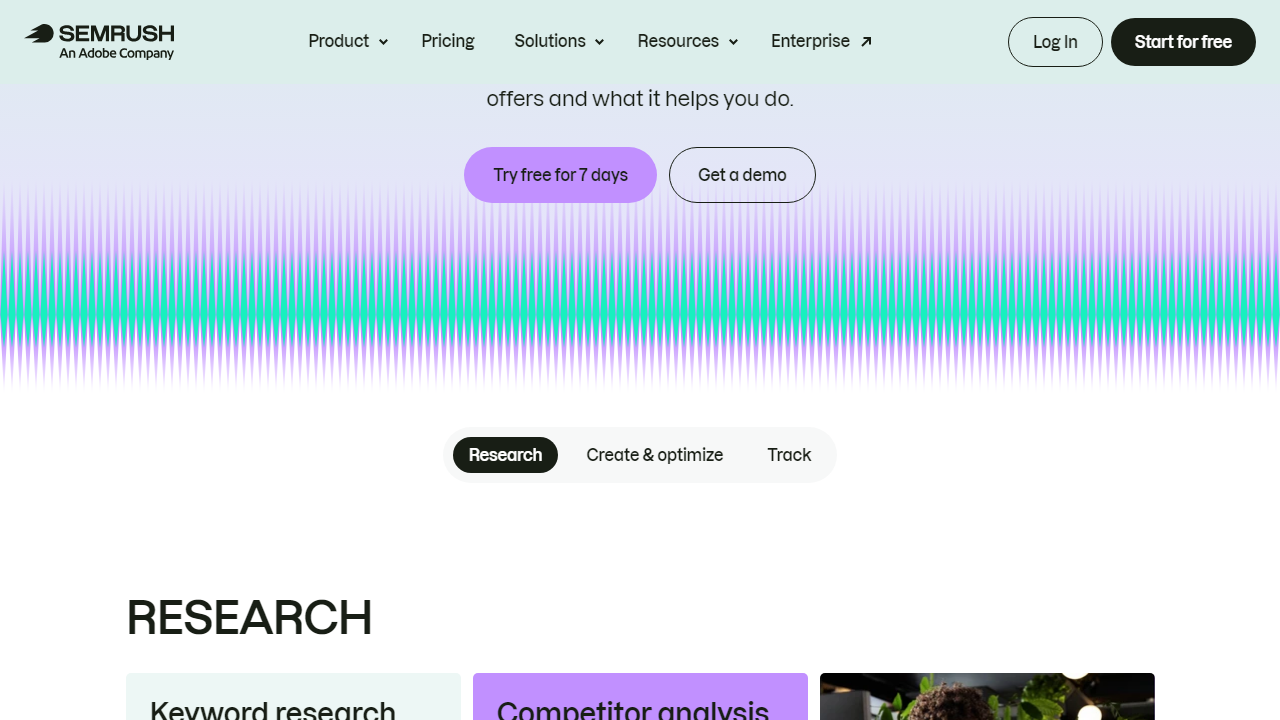
The platform started as a keyword research tool and competitive spy tool, and those roots still show in the quality of its core SEO features. But today, Semrush encompasses tools for technical SEO auditing, backlink analysis, rank tracking, content marketing, social media management, paid advertising research, PR monitoring, and local SEO. It’s genuinely ambitious — and genuinely useful when you know how to use it.
As of mid-2026, Semrush’s database covers 25.6 billion keywords, 43 trillion backlinks, and traffic data from over 190 countries. The company has also aggressively integrated generative AI into workflows including content brief generation, on-page optimization suggestions, and automated SEO recommendations. Some of those AI features are legitimately useful. Others feel bolted on. We’ll break down the specifics below.
Key Features of Semrush
Semrush’s biggest strength — and its biggest weakness — is its sheer scope. Here are the features that genuinely moved the needle in our testing.
Keyword Research & Keyword Magic Tool
Semrush’s Keyword Magic Tool remains the best in class for keyword ideation. Type in a seed keyword and you’ll get access to millions of related terms, filterable by search volume, keyword difficulty, CPC, intent (informational, navigational, commercial, transactional), and SERP features. In our tests, it consistently surfaced long-tail opportunities that Ahrefs and Moz missed. The Keyword Difficulty metric has also improved significantly — it now factors in topical authority and SERP volatility, not just raw backlink counts.
Site Audit
The Site Audit tool crawls up to 100,000 pages (on the Pro plan) and checks for over 140 technical SEO issues — everything from broken links and slow Core Web Vitals to duplicate content, hreflang errors, and structured data problems. The issue prioritization is excellent: Semrush categorizes findings as Errors, Warnings, and Notices so you’re not drowning in low-priority noise. We audited a 12,000-page e-commerce site and had a full report with actionable recommendations in under 20 minutes.
Backlink Analytics & Link Building
Semrush’s backlink database — 43 trillion links and counting — is genuinely competitive with Ahrefs now. Toxic score detection is solid, and the Link Building tool helps you identify prospects, manage outreach, and track link acquisition progress. One thing Semrush does better than Ahrefs here: the competitor backlink gap analysis, which makes it trivial to find link opportunities your rivals are exploiting that you’re missing.
Position Tracking (Rank Tracker)
Daily rank tracking across desktop and mobile, with location granularity down to city level. The Pro plan gives you 500 keywords to track; Business gives you 5,000. The SERP feature tracking is particularly useful — you can see whether you’re winning or losing featured snippets, local packs, and People Also Ask boxes over time. One gripe: tracking credits feel artificially limited on the Pro plan, and it’s easy to burn through them on larger sites.
Competitive Intelligence & Traffic Analytics
This is where Semrush genuinely pulls ahead of most competitors. Traffic Analytics gives you estimated monthly visits, bounce rate, time on site, and traffic sources for any domain. It’s not perfect — traffic estimates can be off by 15-25% for smaller sites — but for competitive research and market sizing, it’s invaluable. The Market Explorer tool lets you map your entire competitive landscape visually, identifying niche players and growth trends you might be overlooking.
Content Marketing Platform
The Content Marketing toolkit includes the SEO Writing Assistant (a browser extension and Google Docs add-on that scores your content in real-time), a Topic Research tool, and AI-powered content briefs. In 2026, Semrush added deeper AI integration that generates full draft outlines with keyword placement suggestions. It’s genuinely useful for content teams producing at scale. The SEO Writing Assistant browser extension, in particular, has become a daily-use tool for our writers.
Advertising Research (PPC)
Semrush’s ad research tools let you see competitors’ Google Ads copy, estimated ad spend, landing pages, and keyword targeting. If you run paid search campaigns, this is a legitimate competitive edge — seeing which ad copy variations your competitors are testing over time is invaluable. The PLA (Product Listing Ads) research is especially strong for e-commerce brands.
Semrush Pricing Plans in 2026
Semrush raised prices in early 2026 — a move that frustrated many existing subscribers. Here’s the current pricing for annual billing (monthly billing runs approximately 17% higher). All plans include a 7-day free trial with a credit card required.
| Plan | Price/mo (Annual) | Best For | Key Limits |
|---|---|---|---|
| Pro | $139.95 | Freelancers, small teams | 5 projects, 500 keywords tracked |
| Guru | $249.95 | Growing agencies, in-house teams | 15 projects, 1,500 keywords tracked |
| Business | $499.95 | Large agencies, enterprise teams | 40 projects, 5,000 keywords tracked |
| Enterprise | Custom (from ~$1,000+) | Large enterprise, custom needs | Custom limits, API access, SSO |
It’s worth noting that several premium features — including the Agency Growth Kit, Semrush Local, and advanced .Trends analytics — cost extra on top of base plan pricing. A fully loaded Guru plan with all the add-ons can easily run $400-$500/month. Factor that into your budget planning.
Who Should Use Semrush?
Best Semrush Alternatives in 2026
Semrush isn’t the right fit for everyone. Here’s how the top competitors stack up on key dimensions.
| Tool | Starting Price | Best For | Our Rating |
|---|---|---|---|
| Ahrefs | $129/mo | Link building specialists | ⭐ 4.5/5 |
| Moz Pro | $99/mo | Beginners, small businesses | ⭐ 3.8/5 |
| Mangools | $29/mo | Budget-conscious solo users | ⭐ 4.1/5 |
| SE Ranking | $65/mo | Mid-market agencies | ⭐ 4.2/5 |
Our honest take: if backlink analysis is your primary use case, Ahrefs still edges out Semrush on data freshness and UX. If budget is a real constraint, Mangools or SE Ranking offer 80% of the core SEO functionality at 20-40% of the price. But if you need the complete picture — SEO, PPC research, content, competitive intelligence, and reporting — Semrush has no true competitor at scale.